API209
Summer Math Camp
Academic Year: 2026
Summer 2026
This version of math camp is organized as a compact working environment for the semester ahead. It is less a static archive and more a weekly operating system: lesson material, slide decks, hands-on pages, labs, and a new module on AI-assisted analysis.
Core themes
Wrangling, visualization, modeling, and reproducible reporting.
New in 2026
An explicit AI workflow week built around verification, documentation, and fall-semester use cases.
Design goal
Fewer scattered pages, faster navigation, and clearer week-by-week entry points.
Teaching Team
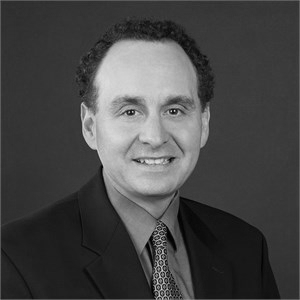
Dan Levy
Professor • Harvard Kennedy School
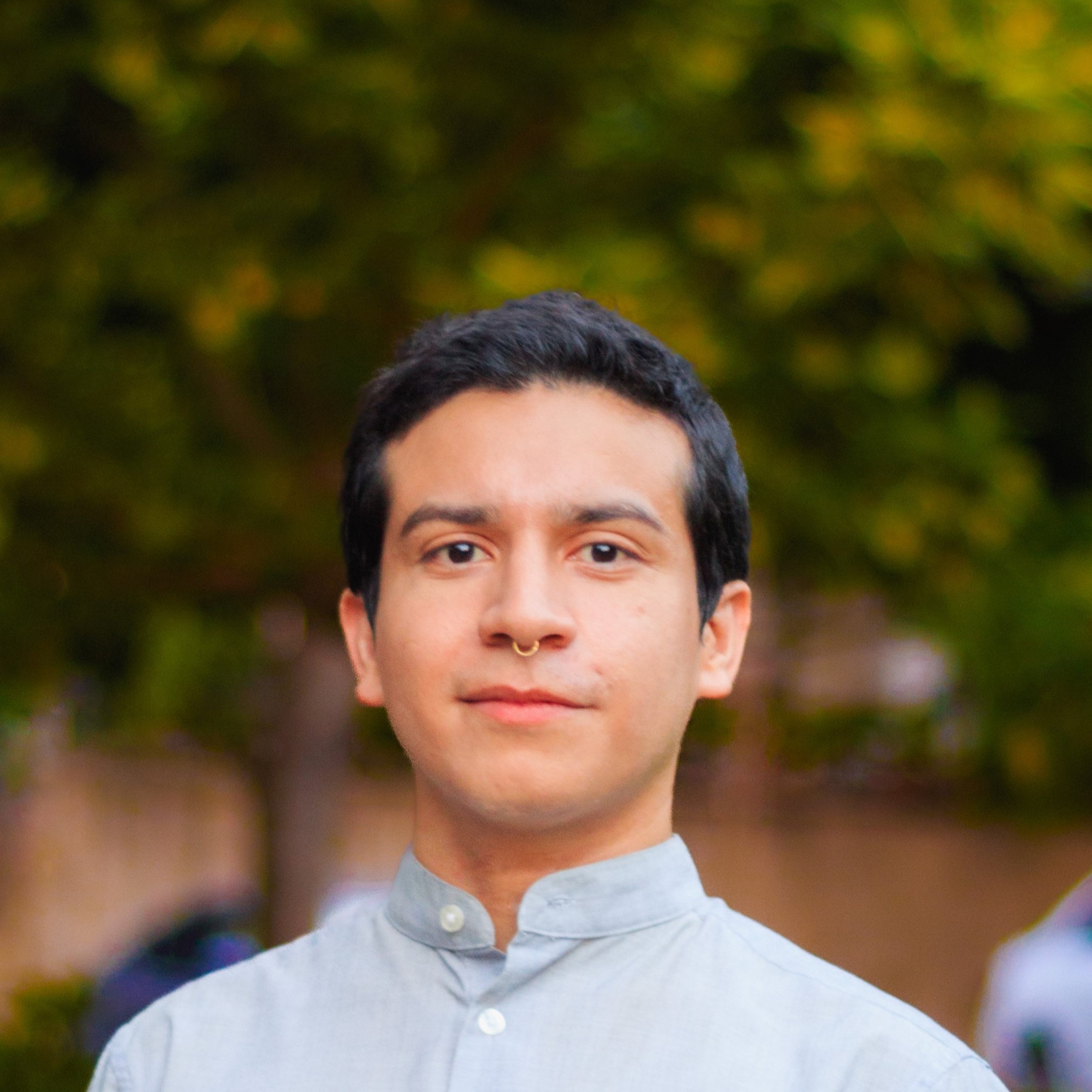
Rony Rodriguez-Ramirez
Summer TF • Harvard University
What This Camp Covers
Technical skills
- data cleaning and reshaping with the tidyverse
- clear plots for exploration and communication
- introductory model interpretation
- Quarto-based reproducible workflow
Workflow skills
- moving from rough code to clean analysis artifacts
- documenting assumptions and verification
- using AI tools without surrendering judgment
- building habits that transfer directly into fall assignments
Weekly Structure
Why AI Is Included
Many students will use AI tools during the fall whether or not the course addresses them directly. The 2026 design treats that as a workflow question, not a novelty topic:
- define the task before prompting;
- ask for bounded help;
- run and inspect the output yourself;
- verify one important result manually;
- document what changed because of AI.